How I Plan My Garden to Reduce Pest Problems Before They Start
Planning Is Where Pest Control Actually Begins
Most gardeners think pest control happens mid-season, when in reality, we need to plan for it when we plan what we will be growing and where everything will be planted. Garden planning isn’t about perfection — it’s about reducing stress and pressure.
Pest control starts long before pests appear.
I Plan for Plant Health Before I Think About Pests
When I’m planning my garden, I’m thinking about spacing for airflow. I’m thinking about friends vs foes. I’m thinking about companion plants. I’m thinking about sun exposure. I’m thinking about setting my plants up for success, as best as I can. Healthy plants can tolerate pest pressure. Stressed plants cannot. And I don’t want stressed plants, which is why making a plan before you ever plant is so important.

Garden Layout Is One of the Most Overlooked Pest-Prevention Tools
I get it – especially if you have a small space to garden in – you want to squeeze as much as you can into your small space. And I promise that you can, you just need to be strategic in how you do it. Because airflow matters between your plants. You do not want to promote disease and pest pressure by planting too tightly. You have to give your plants some room to breathe and for air to move around your plants. You can absolutely grow 100’s of pounds of food from a backyard garden. You just need to be more strategic in smaller spaces to make sure you don’t promote disease and bad pest hotels.
I Prioritize Diversity Over Efficiency When Planning
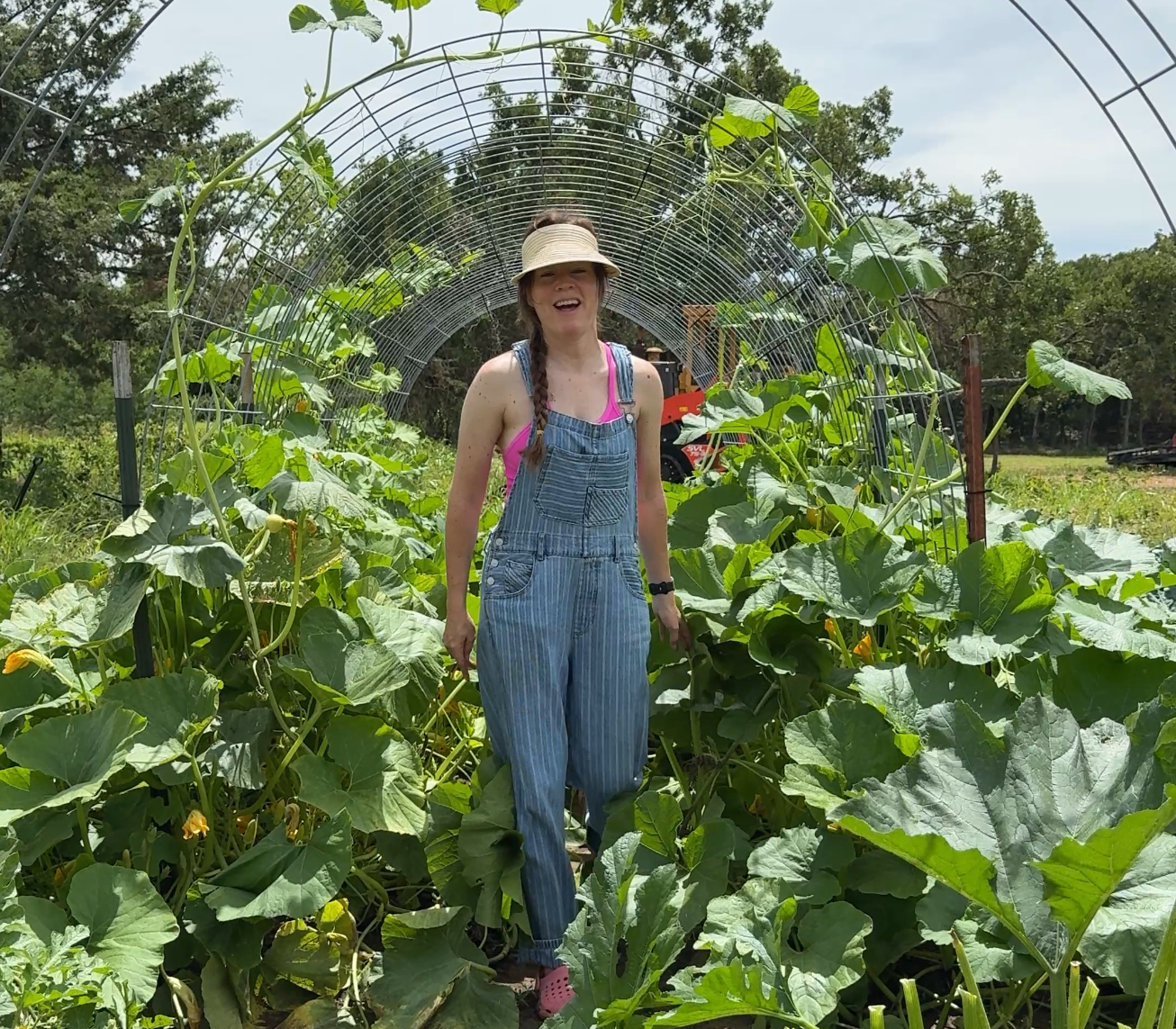
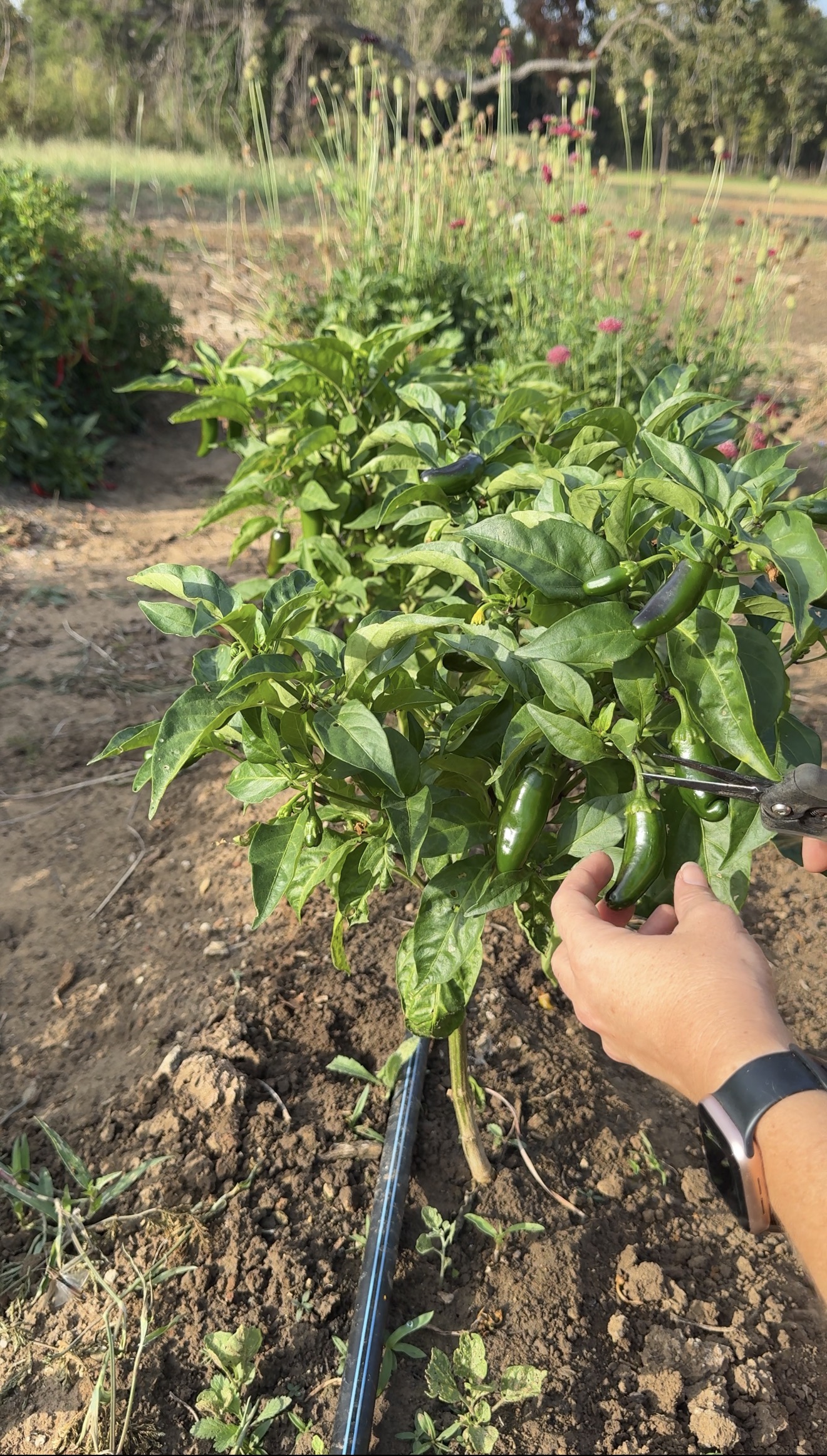
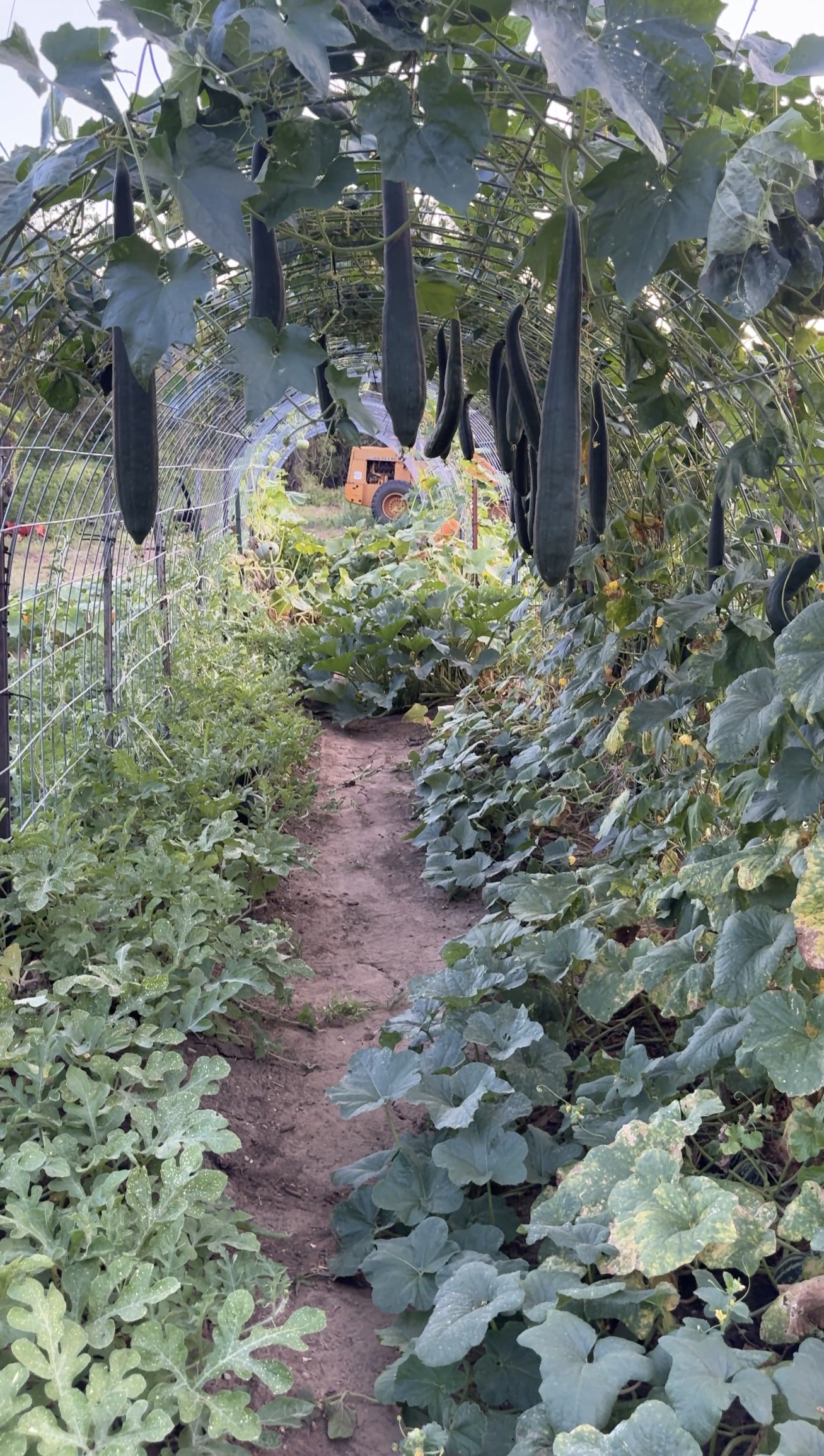
I grow in a large space because I have the space. I’m also growing more than I can eat so I can sell the extra through my farm stand. Providing organic produce to my community is something that is important to me. When I’m planning my garden, I figure out what I’m going to grow, place it in the rows I need to it go in and then make sure flowers and herbs are also planned in.
This past fall, I grew 40+ tomato plants. Of those 40, I was growing 6 varieties. In the spring, I grew closer to 20 tomato plants and was growing 8 varieties. If I were to solely grow 1 tomato variety and have 40+ plants, that would be considered monoculture. There is no plant diversity when you plant in that manner. I’m not saying you can’t do it (especially if you’re a market farmer). But you need to make sure you’re planting diversely to help support your overall ecosystem (which aims to have less pests).
Of those 20+ tomato plants and then of those 40+ tomato plants, I also had dill growing and marigolds growing. In between my tomatoes. That’s planting diversity in the same row.

Timing Matters More Than Most Gardeners Realize
There is a reason that seed packets tell you when to plant things. Planting too early or too late, means you potentially have stressed plants. And stressed plants signal pests. Timing absolutely matters and it’s all based on your frost dates (first frost and last frost). Don’t ignore those seed packets on timing. And don’t plant cool season plants in warm season and vice versa.
I Leave Room to Observe and Adjust
If you were to look at my garden plan from last year and compare it to what actually happened, you’ll see I left myself room to observe and adjust. A plan is just a plan until you take action and implement. For next season’s garden, I’ve got an entire half row for zucchini. In reality, I don’t need an entire half row for zucchini (as 2 plants produced more than I could eat and more than my community wanted to buy). But it’s a note to me on where I want it to go and then it allows me to add in more flowers and herbs. Or it allows me to put in a cover crop over the bare spaces.
The entire purpose of your garden plan is to learn. Gardens change and plans should be able to adapt.

Good Planning Reduces How Often You Have to Intervene
When you have a plan for your garden, you allow yourself the ability for fewer emergency “treatments”. It also allows you to be less reactive in your garden decisions. Planning for a diverse garden full of flowers, herbs and produce gives you the foundation for more predictable outcomes over time. Because you did x, the likelihood of doing y becomes less as you garden through the seasons.
Planning Is the Foundation of a Prevention-First Garden
And that plan includes having diversity in your plants, making observation a priority in your daily gardening activities and timing (planting, fertilizing, watering, etc).
If Pests Keep Showing Up in Your Garden…
Check out my Organic Pest Control blog posts category and my “Stop Garden Pests Organically” course.
Pest problems are often predictable. Having a plan for your garden can give you leverage to be successful. And remember, confidence comes from understanding the system, not reacting faster.